Mold after a leak in Salt Lake City
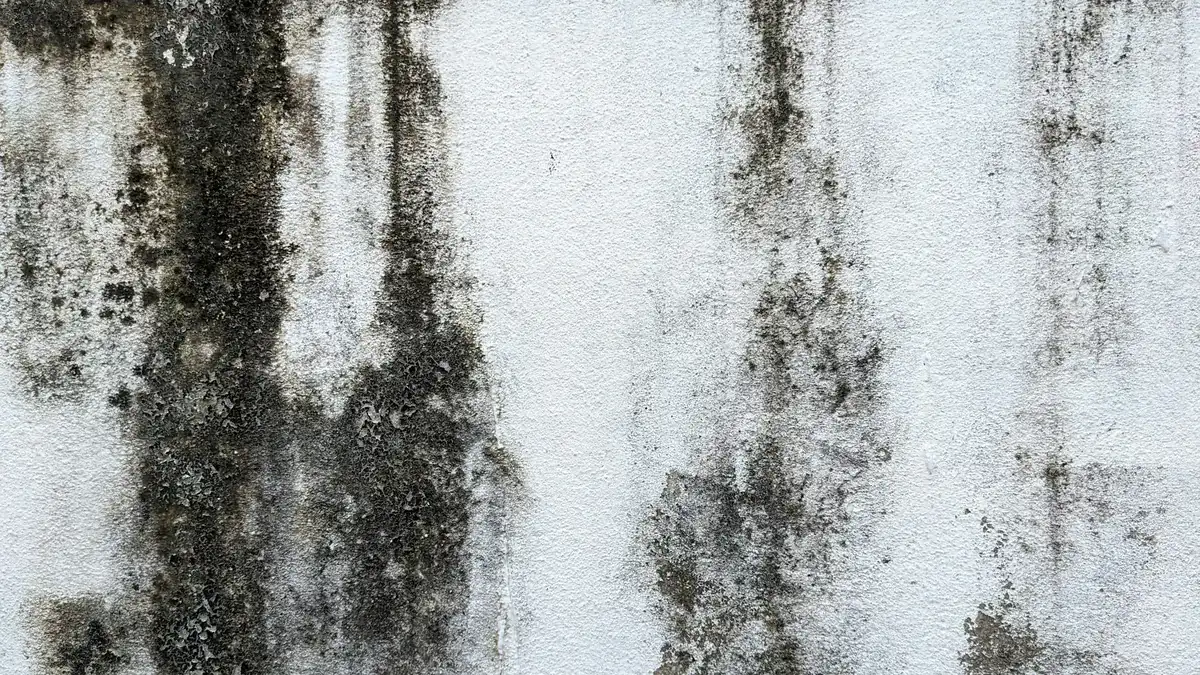
Salt Lake's air is dry, so visible mold here almost always means water stayed somewhere it shouldn't: a slow drip behind a vanity, a basement carpet that never dried, a bathroom without a fan. Fix the water and the mold has nothing to live on. Fixr puts most mold remediation at $1,500 to $9,000, with a $3,500 average.
Why mold shows up in a dry city
Outdoor humidity at the airport averages 26% in July and 74% in January. Indoors in winter, with the heat running, it is usually lower still. Mold needs a wet surface, and in this climate that means a leak or trapped water, not muggy air. The usual places: behind and under sinks and toilets, in finished basements after a water heater or a backup, around a shower pan that leaks into the wall, and in an attic where a bathroom fan vents into the insulation.
Can you clean it yourself?
The EPA says a moldy area smaller than about 10 square feet, roughly a 3 foot by 3 foot patch, is usually a do-it-yourself job, with gloves, eye protection and an N-95 respirator. Larger areas, mold inside the HVAC system, or mold after sewage are jobs for a professional. If you can see or smell mold, the EPA says testing usually isn't needed; you already know you have a problem to fix.
What a mold job looks like
- Find and fix the water. Without this step the rest is temporary.
- Contain the area with plastic sheeting and negative air, so spores don't spread through the house.
- Remove moldy porous material such as drywall, insulation and carpet pad.
- Clean and dry what stays, such as framing and concrete.
- Rebuild once the area reads dry.
Utah has no separate mold remediation license that we found in its construction licensing law, so the credential to ask about is the contractor license for the rebuild, and a clear written scope for the removal.
Questions Salt Lake homeowners ask
Can I clean mold myself after a leak?
For a small area, yes. The EPA says that if the moldy area is less than about 10 square feet, roughly a 3 foot by 3 foot patch, you can usually handle it yourself. Larger areas, mold in the HVAC system, or mold after sewage or flood water are jobs for a professional.
How fast does mold grow after water damage?
The EPA says to dry water-damaged areas and items within 24 to 48 hours to help prevent mold growth. That is where the 48 hour rule comes from. Salt Lake's dry air helps, but water trapped under flooring, inside a wall or in a basement slab doesn't dry on its own in that window.
Do I need a mold test?
Often not. The EPA says that if you can see or smell mold, sampling usually isn't needed. Testing helps when you suspect hidden mold, have a health concern, or need proof the job is done.
Sources
- US EPA: Mold Cleanup in Your Home (updated June 4, 2026; read 2026-10-28)
- US EPA brief guide to mold and moisture in the home (updated February 18, 2026; read 2026-10-28)
- Fixr: Mold Remediation Cost (updated August 29, 2025; read 2026-10-28)
- NOAA NCEI: Global Summary of the Day, Salt Lake City International Airport (72572024127)
- Utah Code 58-55-305, Exemptions from licensure (effective May 7, 2025; read 2026-10-29)